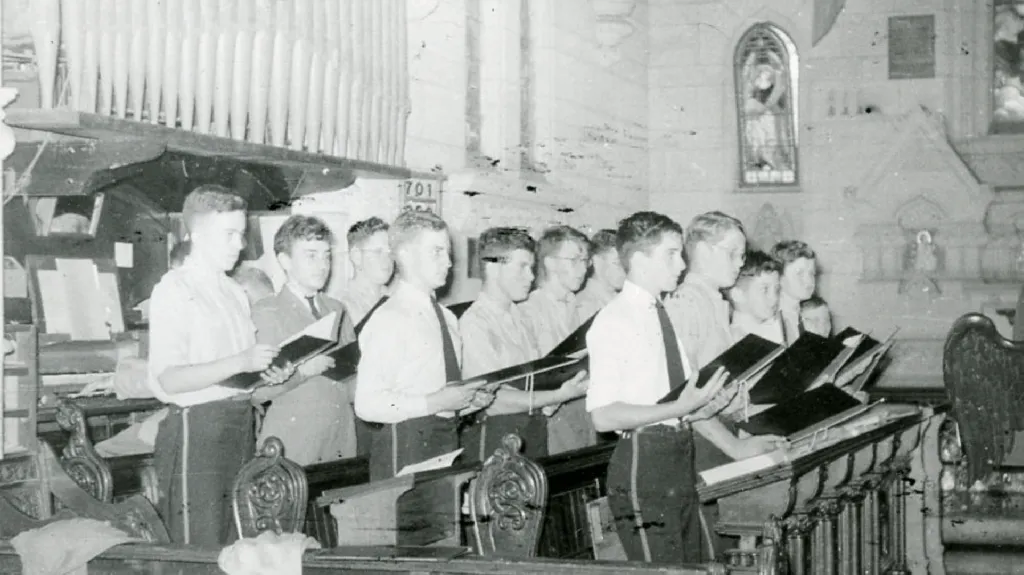
Music has been part of The King’s School since its earliest days, shaping the rhythm and spirit of school life for nearly two centuries. From humble beginnings in the 1830s to the professional-grade performances of recent years, the School’s musical story reflects a constant interplay of faith, creativity, and community.
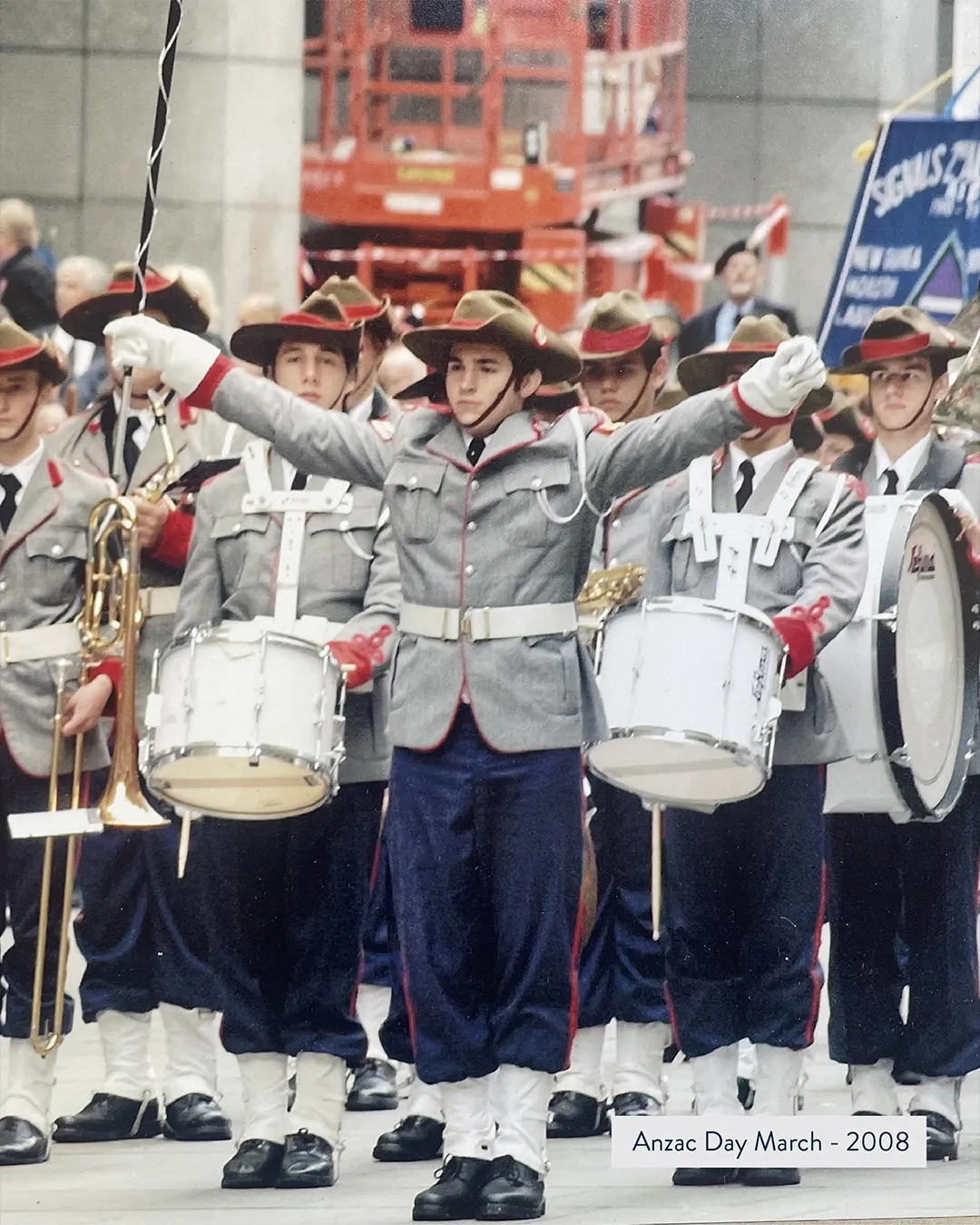
By 1869, the first record of a school choir is known, and by the late 1880s, music was flourishing. The King’s School Magazine of 1887 praised the choirmaster, Mr. A. Massey, for elevating chapel singing to new heights and encouraging boys to master harmony as “the highest effort of musical skill.” Soon after, Mrs. Harris, the Headmaster’s wife, gifted instruments that established the School’s first Fife and Drum Band – though not everyone welcomed the relentless practice sessions echoing across the grounds.
In 1893, a Musical Society was formed, holding weekly rehearsals and theory classes. Within a year, it had merged with the Choir, laying the foundations for a formal and enduring Music program. The early enthusiasm even extended beyond the classroom: during a choir excursion to Rose Bay in 1900, the group found themselves briefly stranded when their steamer ran aground – a story that became school legend.
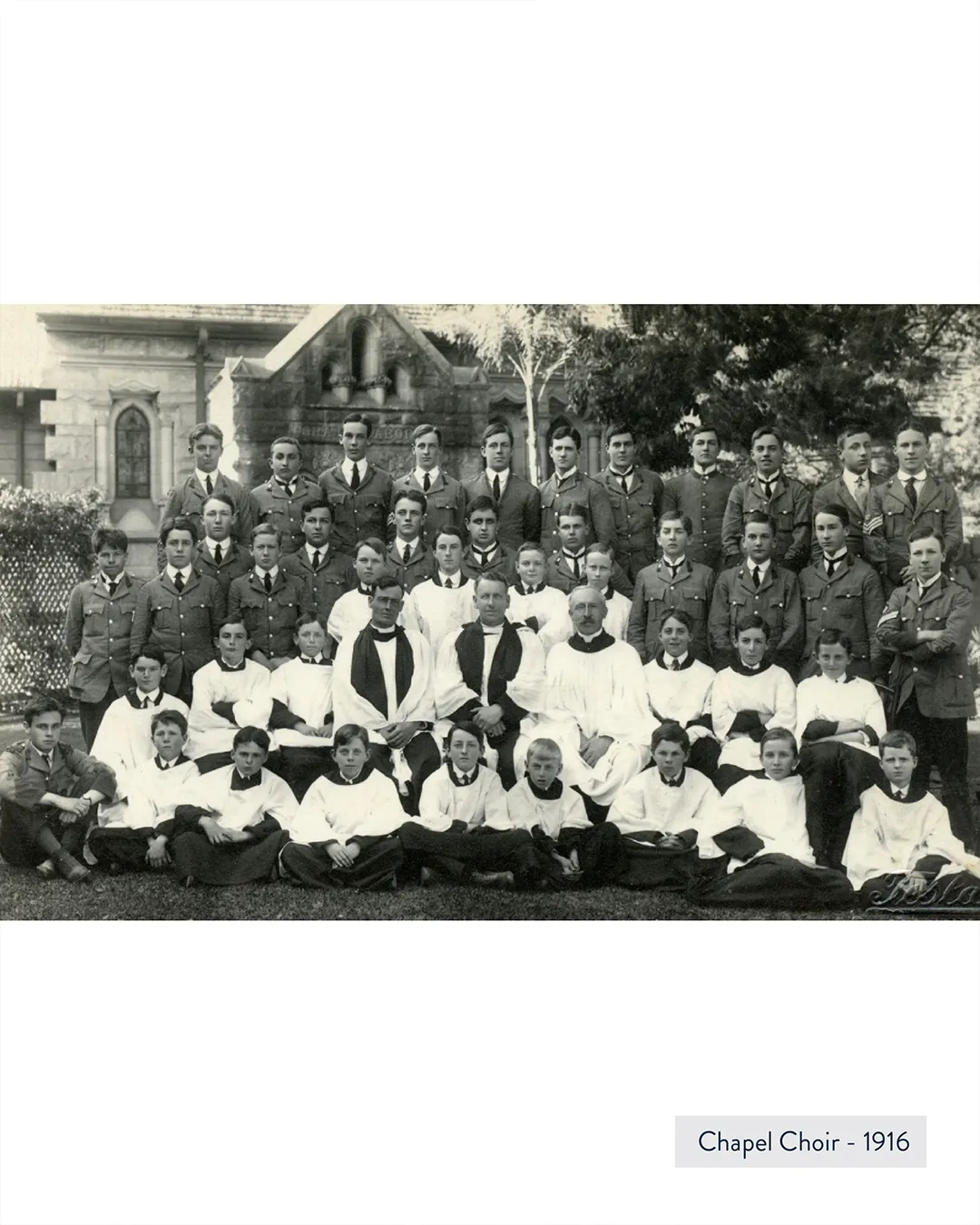
By 1913, House-based musical societies, such as Broughton’s, were thriving. The outbreak of the First World War, however, changed the tone of chapel life; music was temporarily suspended in favour of daily prayers for Old Boys serving overseas. Yet music continued elsewhere, with spirited House concerts and a “Patriotic Concert” in 1914 that raised funds for soldiers and featured a full orchestral program alongside school performances.
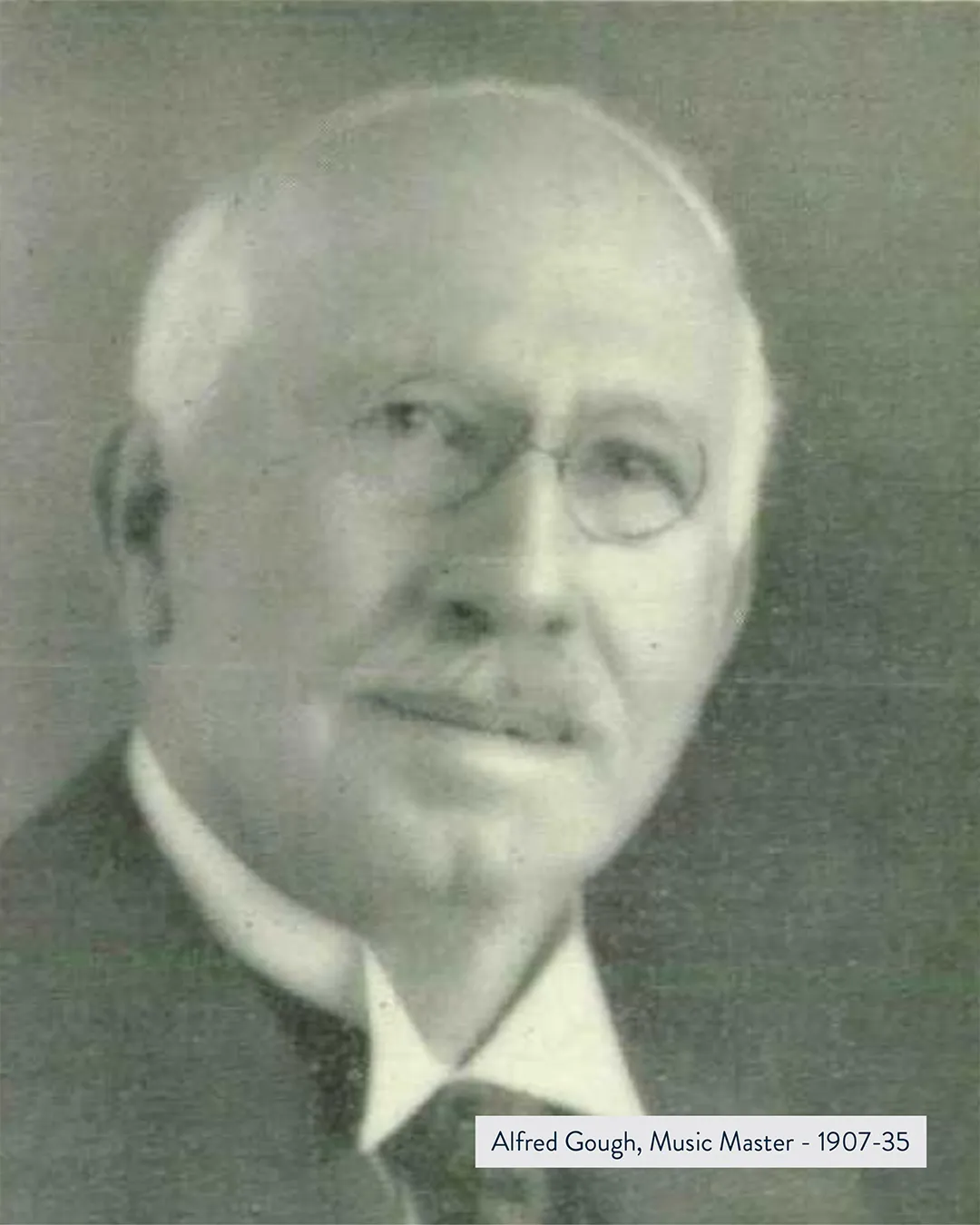
Through the 1920s and 1930s, music remained integral to school culture. Anecdotes from 1925 recall impromptu singing in dormitories – some less appreciated by masters on duty – while in 1935, the School farewelled Mr Alfred Gough, its (what we believe to be) first full-time music master and organist. Appointed in 1907, Gough was revered for his dedication, musicianship and choir work, and his retirement marked the end of an era. His successor, Mr Williams, quickly called for a new organ – a wish fulfilled decades later.
During the 1940s, music at King’s blossomed again under the influence of Mrs Elizabeth Hake, the Headmaster’s wife. School entertainments combined music and drama, while the Music Club brought together instrumentalists, singers and visiting performers. Among the talented students of the era was a young Charles Mackerras (‘42), who would later become one of Australia’s most celebrated conductors. By 1945, King’s boys were attending Sydney Symphony concerts and ballet performances, cementing a culture of active engagement in the arts.
In the 1950s, a new energy arrived with Director of Music Cedric Ashton, a former cellist with the Sydney Symphony Orchestra. Under his guidance, the School staged its first full-scale musical production, H.M.S. Pinafore, in 1952 – a landmark in King’s performing arts history. The House Musical Festival of 1951 had already shown the breadth of student talent, blending traditional folk songs and spirituals with light-hearted tunes like “I’ve Got a Lovely Bunch of Coconuts.”
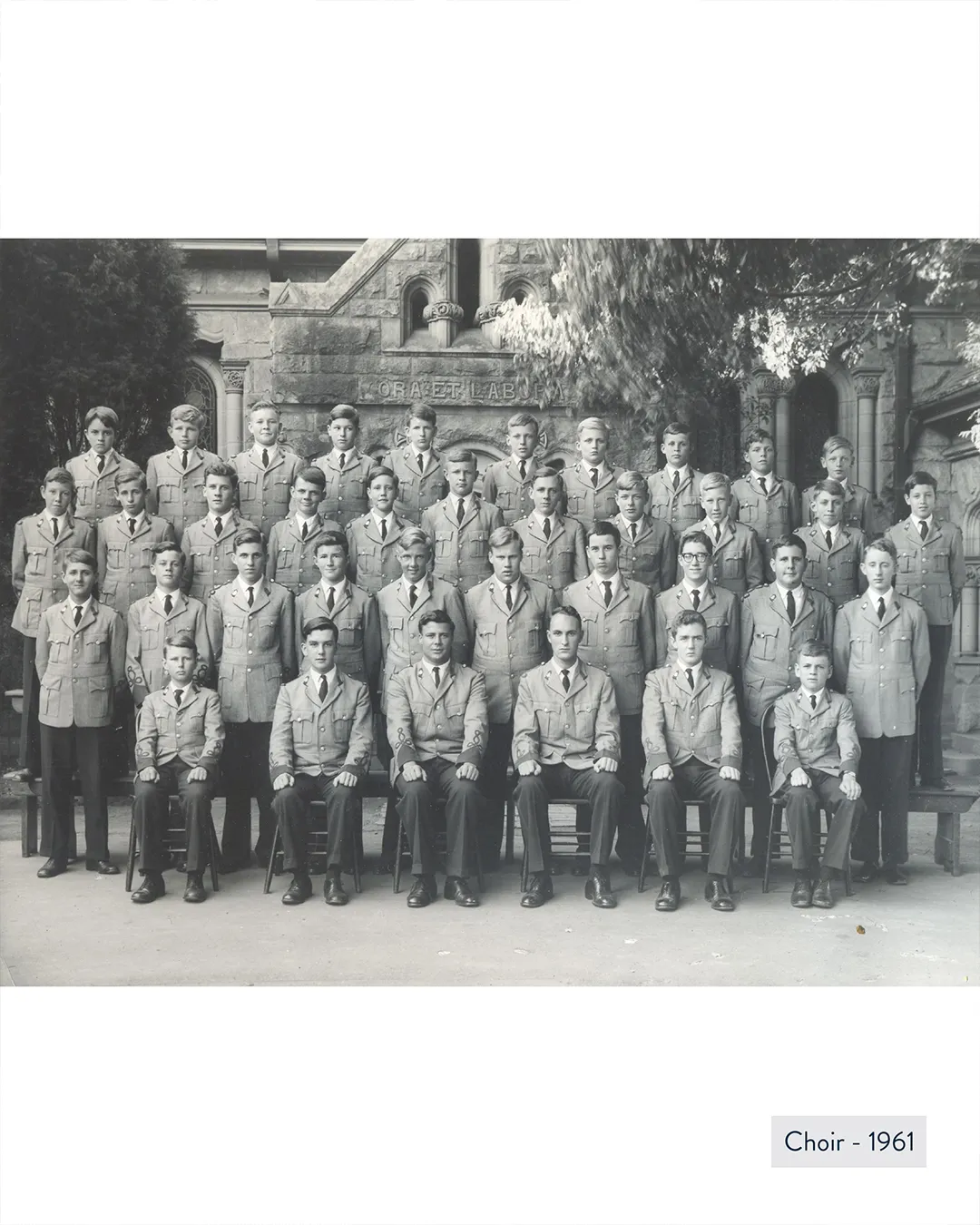
Keith Asboe joined the staff in 1957 and became a driving force for the next four decades, leading the orchestra, directing choirs and commissioning the new organ for Futter Hall in 1966–67. The first concert in the hall featured Cedric Ashton and Headmaster Hake’s daughter, Cecily, marking a new chapter for music at Gowan Brae. 1962 saw the establishment of the School Orchestra under Maestro Asboe’s baton while in 1968, the choir’s final service at the Old School Chapel was recorded – now digitised as a treasured piece of King’s archival heritage.
We take this moment to remember the life of Cecily Anne Frémaux (née Hake) (1944-2025) whose work as a cellist was internationally renowned.
The 1970s brought further musical innovation. The new chapel bells, cast at London’s historic Whitechapel Foundry, began sounding across the campus, while the 1980s saw the emergence of internationally renowned alumnus Nigel Gaynor (‘80), who went on to conduct for leading ballet companies around the world.
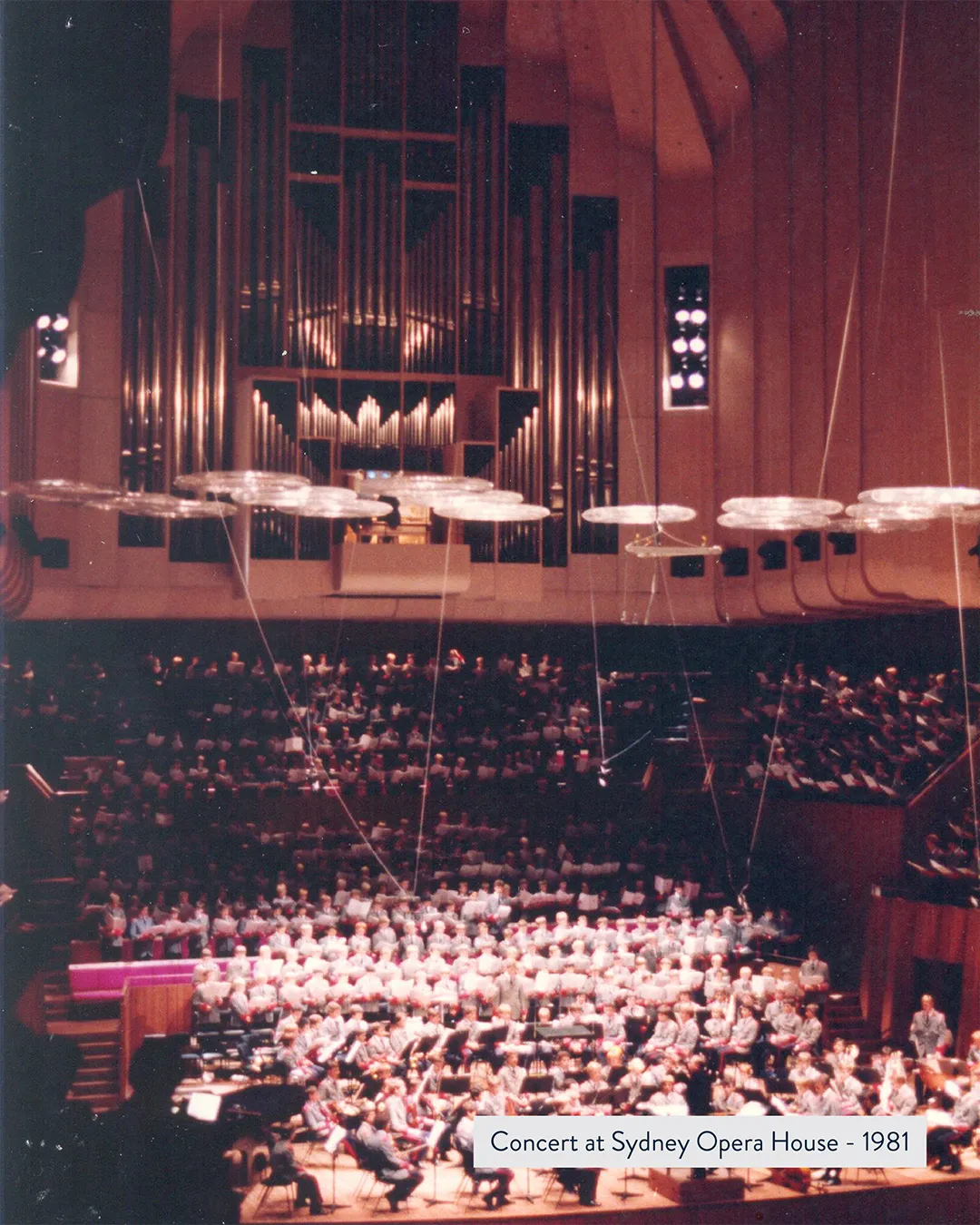
In 1981, the School’s Sesquicentenary celebrations gave music a defining stage. The Choir performed at the Sydney Opera House, and the new Music School was officially opened by the Governor of New South Wales. A recital featuring student soloists and the acclaimed cellist Susan Blake showcased the School’s growing professionalism, while the new recital room’s superb acoustics confirmed King’s as a serious musical institution. The 1980s also saw the commencement of the Stage Band.
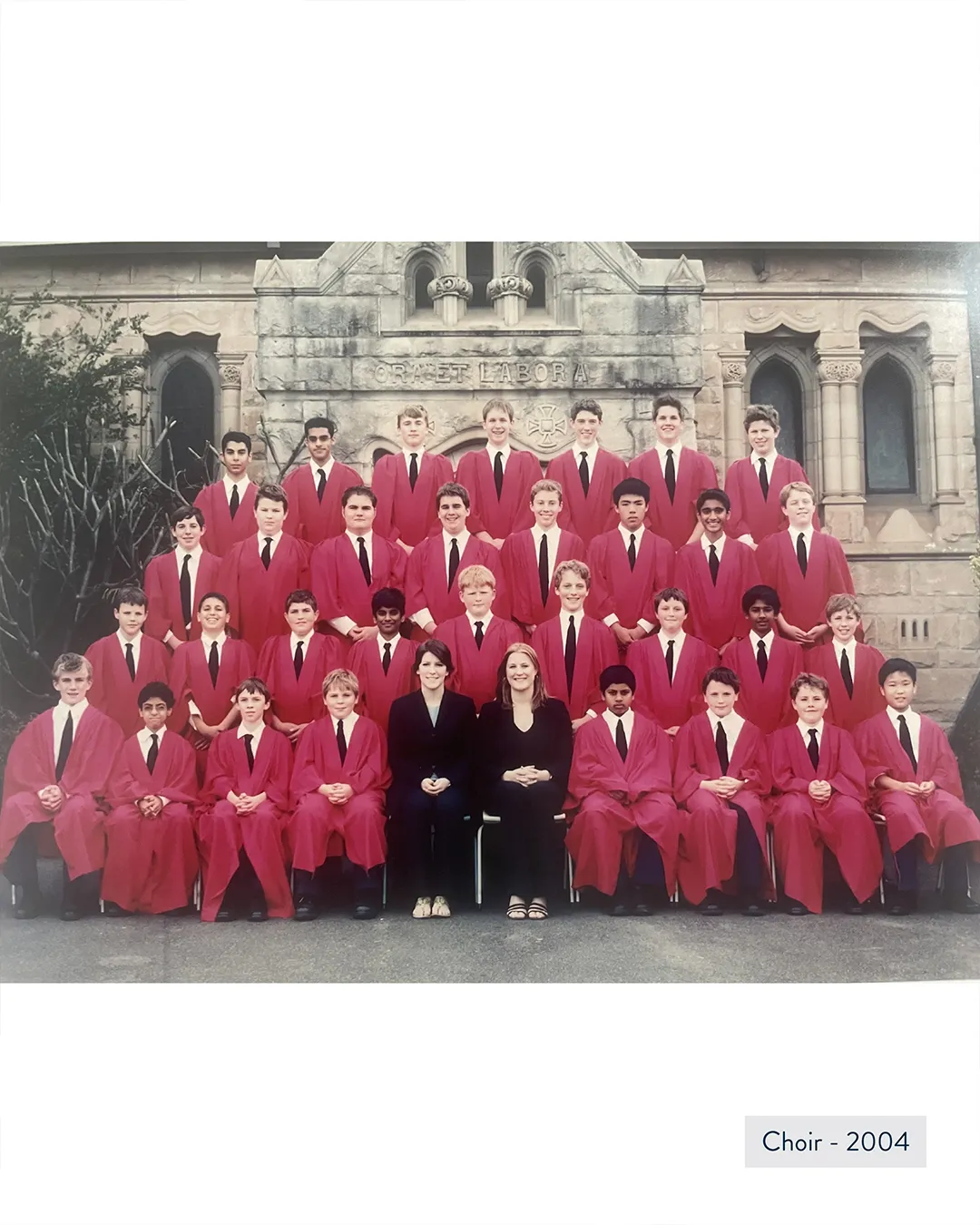
In the 1990s, under Music Director James Mackay-Sim, choral singing reached new heights, complete with traditional robes and overseas tours, coinciding with the awarding of the first Honour Colours in 1995. This momentum continued into the 2000s under Barry Walmsley, who articulated the philosophy that music at King’s should be both joyful and profound – encouraging boys to develop creativity, discipline and self-knowledge through participation.
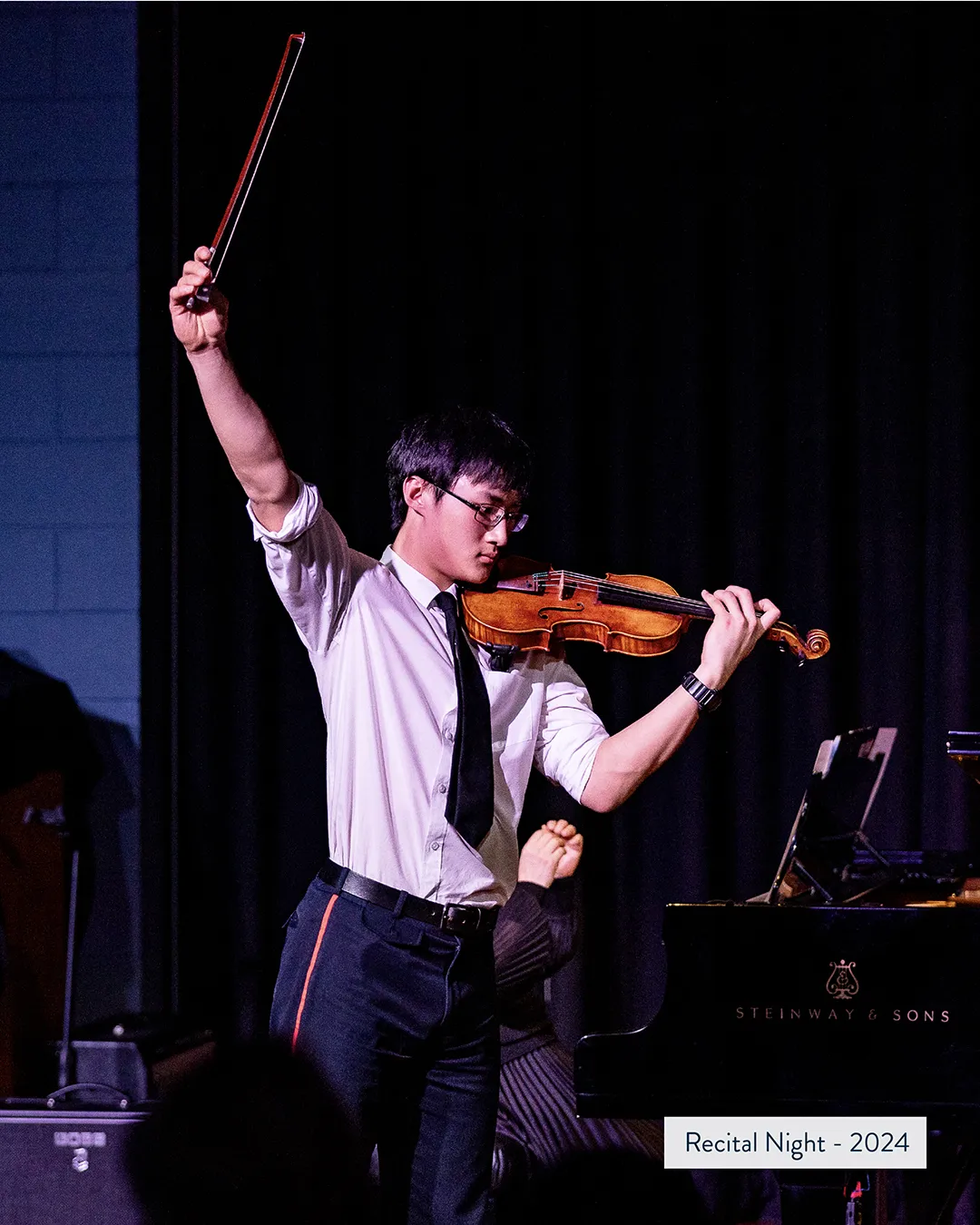
Today, under the direction of Sarah Feltham, the School continues to nurture exceptional young musicians. Recent alumni, including concert pianist Joshua Han (‘19), violinist Harry Wang (‘23), French horn player Cooper Donley (‘23), and euphoniumist Lucas Yuen (‘25), have carried forward a legacy of excellence that spans nearly two centuries.
From the chapel hymns of the 1830s to contemporary orchestral and choral achievements, music at The King’s School has been a constant thread of harmony and expression – an enduring testament to the School’s belief that music enriches the soul, unites community and gives voice to the spirit of King’s.
Featured photo: Choir Practice – 1955
All images courtesy of The King’s School Archive.